

Ever thought about blocking out distractions to focus better? Preparing for the NCLEX is a big step in your nursing career. We want to make sure you’re ready for your test day.
Many students wonder, “Can I wear earplugs during the NCLEX?” to reduce stress. It’s important to know the official NCLEX Examination Candidate Rules before you go.
We will guide you through these rules and offer tips for comfort. Knowing what to expect helps you stay calm and do your best.
Key Takeaways
- Testing centers provide noise-reduction options upon request.
- Personal hearing protection devices are strictly prohibited.
- Reviewing official candidate rules prevents unnecessary exam day stress.
- Focus on your environment to maintain peak mental clarity.
- Testing administrators are your primary resource for comfort needs.
Understanding the NCLEX Examination Environment
The testing center might seem scary at first, but knowing what to expect can really help reduce your anxiety. When you enter, you’re in a place where fairness is key. Knowing the layout and rules lets you focus on the questions.
What to Expect on Exam Day
First, you’ll go through a detailed check-in with biometric scanning and security checks. Once you’re at your desk, the clock starts ticking and doesn’t pause, even during breaks. Remember this when managing your time.
The room is quiet, but it’s not completely silent. You’ll see others taking exams, creating a unique atmosphere. Keep your eyes on your screen to stay focused.
The Role of Test Centers
Test centers, like those run by Pearson VUE, are key for professional certification. They aim to give a standardized experience to all nurse candidates. These places use special tech to keep the exam secure.
Because they host many exams, the staff is trained to handle different situations calmly. They follow strict rules to ensure fairness. Knowing this can make you feel more at ease.
Common Distractions During the NCLEX
Even in a controlled setting, distractions can happen. You might hear keyboards, rustling, or staff movement. These sounds can be unexpectedly loud when you’re trying to focus.
Prepare yourself by knowing these distractions might occur. If you expect complete silence, you might get frustrated. Accepting some ambient sound helps you stay calm and focused.
Earplugs Overview: Benefits and Considerations
When you prepare for your certification, managing your sensory environment is key. Many candidates find that using earplugs for NCLEX testing helps them focus better by blocking out background noise. Before you go, check your NCLEX exam checklist to make sure you’re ready for the testing day.
How Earplugs Can Help
The testing environment can be unpredictable, with sounds like typing, coughing, or movement from other test-takers. Earplugs for NCLEX exams act as a simple barrier against these distractions. They help you focus on your questions without interruptions.
Types of Earplugs Available
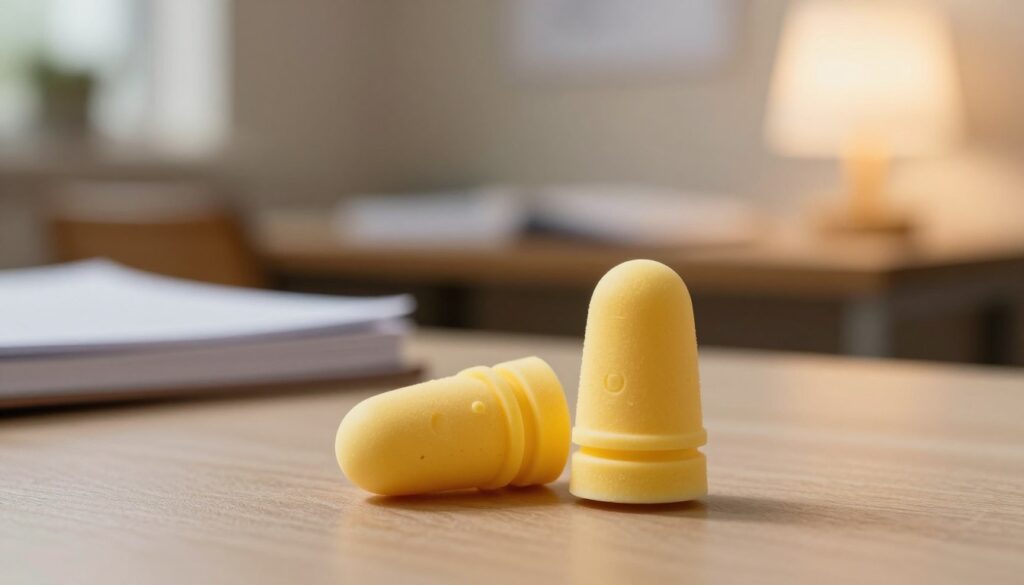
You don’t need to bring your own earplugs. Most testing centers provide standard, disposable foam earplugs if you ask. These are designed to be comfortable for long periods, helping you stay focused during your exam.
Potential Downsides of Using Earplugs
While earplugs offer great benefits, there are some downsides. Some students feel too isolated, which can increase anxiety. You also need to be careful not to get so caught up in your own world that you forget about the time.
| Strategy | Primary Benefit | Potential Drawback |
|---|---|---|
| Foam Earplugs | Blocks ambient noise | Can feel isolating |
| Mental Focus | No equipment needed | Harder in loud rooms |
| Breathing Exercises | Reduces test anxiety | Requires practice |
Whether to use earplugs for NCLEX is a personal choice. It depends on how sensitive you are to sound. We suggest thinking carefully about it before asking for earplugs from your test administrator.
The NCLEX Testing Rules and Regulations
We want to make sure you’re ready for the testing center. Knowing the NCLEX earplug rules is key to avoid any issues with your exam. This way, you can focus on doing your best without worrying about rules.
Official Guidelines on Personal Items
At the exam, you must follow the testing board’s security rules. Remember, you can’t bring your own earplugs. The testing center has special NCLEX exam earplugs for you to use.
Allowed and Prohibited Items at the Testing Center
Testing centers keep a strict environment for fairness. You’ll have to leave personal items like bags and phones in a locker. Prohibited items include anything that could affect the test’s integrity, like personal earplugs.
Checking with the Test Administrator
If you’re sensitive to noise, talk to the staff when you arrive. The NCLEX earplug policy lets you ask for foam earplugs from the facility. Always confirm with the Test Administrator about personal items to follow the rules. They’re there to ensure your comfort and success.
Research on Auditory Distraction in Testing
Studies show that background noise can mess with our minds during important exams. Our brains need a quiet space to work well. Even small sounds can make us lose focus and feel tired.
Studies Supporting the Use of Earplugs
Research says that controlled sound environments help us do better on tests. Using NCLEX exam earplugs keeps our thoughts clear. It blocks out distractions like typing or footsteps, so we can focus on the test.
Impact of Noise on Test Performance
Too much noise in a test room makes us anxious and less accurate. Trying to ignore background sounds uses up our brain power. This is something we don’t want to happen during a big exam.
Earplugs help shield us from these distractions. They create a personal space for focus, which is key for staying calm. Many people feel more at ease when they can control what they hear.
Recommendations from Educational Institutions
Most testing places know how important it is to be quiet. Following the NCLEX testing center earplug guidelines helps you stay focused. These rules help keep the exam fair and respect the student’s needs.
We recommend checking your test center’s rules early. Picking the right NCLEX exam earplugs that fit these guidelines will make you feel ready. Always talk to your test administrator to make sure your earplugs are okay.
Preparing for the NCLEX: Tips for Success
We believe mastering the NCLEX is a journey. It combines deep content knowledge with smart preparation habits. Success on this exam requires more than just reading textbooks. It demands a strategic approach to how you process and retain information.
By refining your daily routine, you can build the confidence needed to excel on your big day.

Effective Study Techniques
To maximize your retention, we recommend using active recall instead of passive reading. Try explaining complex nursing concepts out loud as if you were teaching them to a peer. This method forces your brain to retrieve information, which strengthens your memory pathways significantly.
Another powerful tool is spaced repetition. By reviewing difficult topics at increasing intervals, you ensure that information moves from your short-term memory into your long-term knowledge base. Consistency is far more effective than cramming, so try to dedicate small, focused blocks of time to your studies every single day.
Importance of Practice Exams
Taking practice exams is perhaps the most critical step in your preparation process. These simulations help you get comfortable with the computer-adaptive testing format used by the NCLEX. By mimicking the actual testing environment, you can build the mental stamina required to stay focused for several hours.
Practice tests also allow you to identify your specific knowledge gaps before they become a problem. When you review your incorrect answers, you gain valuable insight into your thought process. This analytical approach helps you refine your clinical judgment and improves your overall performance.
Managing Test Anxiety
It is completely normal to feel nervous, but managing that stress is essential for your success. We suggest incorporating mindfulness exercises or deep breathing techniques into your daily study schedule. These practices help lower your heart rate and keep your mind clear when you encounter challenging questions.
Remember to maintain a positive mindset through visualization. Imagine yourself walking into the testing center with a calm and focused attitude. By preparing your mind just as much as your knowledge, you will be ready to tackle the exam with unwavering confidence.
Alternatives to Earplugs for Reducing Distractions
Managing your auditory environment is key to success on test day. Many look for NCLEX test ear protection, but other strategies work too. Knowing your options makes you feel more ready and in control.
Noise-Canceling Headphones
Most Pearson Professional Centers offer noise-reducing headphones. They are available upon request if you find the sounds distracting. It is important to remember that these are provided by the facility, so you don’t need to bring your own.
Always check the NCLEX testing center earplug guidelines before your appointment. Using center-provided equipment ensures you follow all testing rules. This simple step helps you focus on your questions.
Choosing a Calm Environment
If you can schedule your exam, pick a quiet time or location. Choosing a morning slot might help you avoid busy times. Being proactive about your environment is smart.
If the noise level is too much, talk to the test administrator. They can help you manage your workspace. Following the NCLEX testing center earplug guidelines while sharing your needs ensures a smooth experience.
Breathing Techniques for Focus
When noise is a problem, focus on your breath. Deep, rhythmic breathing can help you stay calm and focused. We recommend practicing these techniques during study sessions.
Focusing on your breath helps block distractions. It keeps you in the present moment. Using these methods with proper NCLEX test ear protection strategies helps you succeed.
Communicating with Test Administrators
Talking clearly with your test center staff makes you feel more at ease. If you need something special, like using earplugs for NCLEX, be confident and clear about it.
How to Approach Your Concerns
When you get to the testing center, stay calm and polite. If you have questions, talk to the administrator before you start.
Be clear about what you need without being pushy. Most staff want you to do well and appreciate your politeness.
Seeking Clarification Before Exam Day
It’s a good idea to contact your testing center early. Call or email them about using earplugs for NCLEX or other items you might need.
Knowing the rules ahead of time reduces stress on exam day. It lets you focus on your nursing knowledge.
Filing Special Accommodations Requests
If you need special help, you must follow the official steps. Doing this early ensures the center is ready to help you.
If problems arise, you can ask for help. You can also file feedback or complaints within 14 days. Standing up for yourself is important in your career, and we support you in using these options.
Real-Life Experiences from NCLEX Test Takers
We think learning from others is the best way to get ready for your NCLEX test. Hearing how they handled the test environment can give you invaluable peace of mind. It helps as you get closer to your exam date.
Testimonials on Noise Distractions
Many say the testing center isn’t always quiet. Some mention hearing keyboards click or feet shuffle from others in the room.
“I found the sound of other people typing to be surprisingly loud. It made it hard to focus on my own questions until I found a way to block it out.”
These distractions are common. Knowing this early can help you stay calm. You’re not alone if the environment feels overwhelming at first.
Feedback on Earplug Usage
Many nurses who passed the exam say NCLEX test ear protection helped them focus. Some found foam earplugs worked well to block out distractions.
But, others felt too cut off when using them. It’s key to check how comfortable you are with these tools before the test.
Strategies Others Have Found Effective
Some test-takers also developed mental habits. One strategy for NCLEX test ear protection is to study in slightly noisy places.
This builds mental resilience against minor sounds. Here are more tips from others:
- Arrive early to settle in before the room gets busy.
- Check with the administrator about earplug policies at the center.
- Use deep breathing to refocus if you get distracted.
Finding the right way to handle NCLEX test ear protection is up to you. Try out these methods to see what works best for you.
Deciding What’s Best for You
Deciding if you should wear earplugs during your exam is a personal choice. You might wonder, “Can I wear earplugs during the NCLEX?” as you plan. Knowing what you need is key to doing your best.
Analyzing Your Personal Sensitivity to Noise
Some people need complete silence, while others find it distracting. If you get startled by small sounds, you might need earplugs. Self-awareness is your greatest asset for this exam.
Think about your study sessions. Did you focus better with white noise or complete quiet? If sounds distract you, find a way to block them out.
Weighing Comfort vs. Regulation Compliance
Your comfort is important, but you must follow NCLEX earplug rules. Testing centers usually have approved noise-reduction tools. Using these can make your check-in easier.
“Success is not just about what you know, but how well you can manage your environment to demonstrate that knowledge.”
Remember, you’re responsible for your belongings in the locker. Bringing your own earplugs might cause extra security checks. Here’s a table to help you decide:
| Option | Pros | Cons |
|---|---|---|
| Center-Provided | Guaranteed compliance | Limited comfort choice |
| Personal Earplugs | Familiar feel | Potential security delays |
| No Earplugs | Zero hassle | Risk of distraction |
Making an Informed Choice
Your decision should be based on your comfort and following rules. If using your own, check the rules early. Preparation reduces anxiety, helping you feel confident.
Focus on your mental clarity above all. Whether using center supplies or your own, choose what helps you concentrate. You’ve worked hard to get here, and you deserve to show your skills.
Conclusion: Making the Right Decision for Your NCLEX
Reaching your nursing goals needs careful planning and knowing your testing environment well. We want you to feel ready and confident as you prepare for your exam.
Final Thoughts on Testing Comfort
Your focus is the most important thing during the exam. Knowing the NCLEX earplug policy lets you go into the testing center feeling calm. You can now decide if you need earplugs for your NCLEX based on your personal needs and the rules from Pearson VUE.
Resources for Your Journey
Visit the official National Council of State Boards of Nursing website for the latest news. Reading their candidate handbook keeps you up-to-date on what’s allowed. Staying informed helps make your preparation smooth and stress-free.
Encouragement for Future Nurses
You’ve put in a lot of effort to get to this point in your career. Trust in your study skills and ability to handle any situation. We believe in your success and look forward to seeing you become a dedicated healthcare professional.