
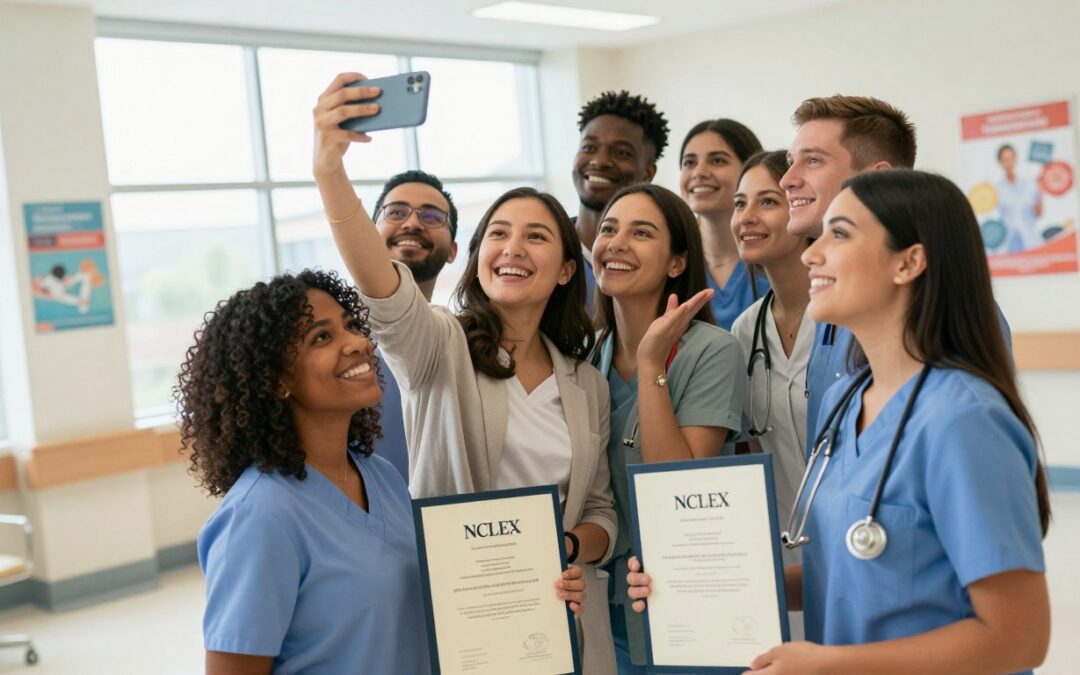
Did you know over 200,000 nurses pass their board exams every year? This is a proud accomplishment that shows you’re ready to start your nursing career. It opens doors to international roles and makes your American Dream come true.
Starting a new job in healthcare needs careful planning. You might face visa rules or find the right place to work. We’ll help you with these essential steps for a smooth start.
If you’re wondering what happens after passing the NCLEX, you’re not alone. By focusing on getting your credentials, moving, and getting licensed, you can build a great career in the U.S. Let’s see how to make this certification a success.
Key Takeaways
- Passing your board exam is the first step to work as a nurse in the U.S.
- You can work with a recruitment agency or find jobs on your own.
- Agencies help with visa, moving, and settling in a new place.
- Success means keeping up with state licensing rules.
- Continuing education and certifications boost your career in the U.S. healthcare.
Understanding the NCLEX and Its Significance
Many new graduates wonder what happens after passing the NCLEX as they start their clinical roles. This exam is more than a final test. It’s the key to practicing in the U.S. healthcare system. Your success shows you have the knowledge to care for patients safely and effectively.
The Role of NCLEX in Nursing
The NCLEX aims to keep nursing standards high and safeguard patient safety. Passing it means you meet state nursing board standards. This shows you’re ready for the challenges of modern healthcare.
Looking back, you might remember the help of online classes for NCLEX-RN prep. These classes teach critical thinking, essential for your career. Keeping these standards is a big part of your job.
How NCLEX Differs from Other Exams
The NCLEX is different from other tests because it tests clinical judgment. It checks if you can use nursing knowledge in real situations. This makes it a true test of your readiness.
The exam teaches you to prioritize care based on urgency and safety. This skill is vital every day on the job. Understanding the importance of your NCLEX success outcomes shows you’ve made a big step. You’re now ready to make critical decisions in a fast-paced setting.
Immediate Steps After Passing the NCLEX
Passing the NCLEX is a big achievement that starts your nursing career. It’s exciting, but remember to focus on the next steps after passing the NCLEX. This ensures a smooth start in your new job.
Receiving Your Results
The wait for your results can be nerve-wracking. But, you won’t have to wait long. You can get your unofficial scores through the quick results service in just 48 business hours after taking the exam.
This service lets you check your status quickly. It helps you move forward with your career plans. You can share your NCLEX success outcomes with employers right away.
Understanding Your License Application Process
After confirming your results, start the licensure process with your state board of nursing. Begin this application as soon as you can. This avoids delays that could push back your start date.
Every state has different rules, so check your board’s website. Being organized helps you get your license quickly. This lets you start your nursing career with confidence.
| Result Type | Timeline | Access Method |
|---|---|---|
| Quick Results | 48 Business Hours | Online Portal |
| Official Results | 2 to 4 Weeks | Postal Mail |
| License Issuance | Varies by State | State Board Website |
Applying for Your Nursing License
Getting your state license is the last step to turn your exam success into a real job. The exam is the same everywhere, but the next steps after passing the NCLEX depend on your state’s rules.
State-Specific Requirements
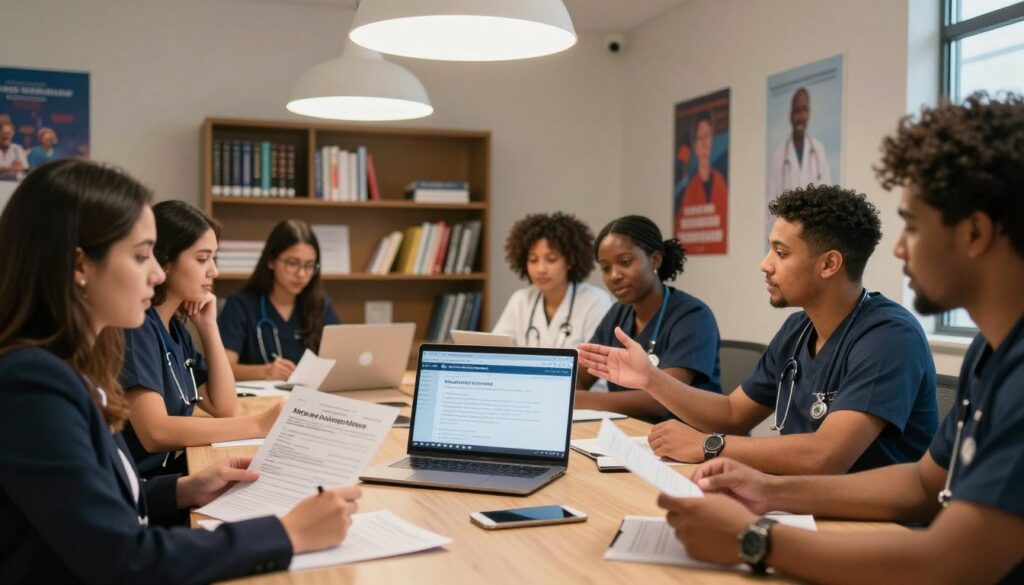
Each state has its own rules for nurses. You need to check your state’s board of nursing website to learn what they require. For example, some states have specific instructions for applying for a nursing.
Many states also need you to pass a criminal background check. This includes mandatory fingerprinting at a certain place. It’s to make sure you’re safe to care for patients.
Necessary Documentation
Start gathering your documents early to avoid delays. You’ll need your official transcripts, ID, and any other forms your state asks for.
Keeping your license up to date is important. In the U.S., you usually need to renew it every two to three years. Being organized now can help you get a job faster and keep your license valid.
| Requirement Type | Common Action | Importance Level |
|---|---|---|
| Background Check | Fingerprinting | Critical |
| Education Proof | Official Transcripts | High |
| Renewal Cycle | Every 2-3 Years | Mandatory |
| Application Fee | State Board Payment | High |
Choosing Your Nursing Specialty
Exploring career options after NCLEX means finding where your passions and skills meet. First, you pass the exam. Then, you look for a specialty that fits your background and dreams.
Exploring Different Specialties
The nursing world is vast, with many paths to choose from. You might enjoy the quick action of critical care, where you handle tough patient cases. Or, you might like building long-term bonds with patients in pediatrics.
Looking to stand out? Think about getting online learning certifications that boost your skills. These can give you the confidence to shine in your chosen field.
Factors to Consider in Your Decision
When planning your future after NCLEX exam, think about the patients you want to care for. Your happiness often depends on how well your job fits your personality. Also, consider if the specialty offers the support you need to grow.
| Specialty | Primary Focus | Growth Potencial |
|---|---|---|
| Critical Care | High-acuity monitoring | High |
| Pediatrics | Child health and development | Moderate |
| Medical-Surgical | General patient care | Very High |
| Emergency Room | Trauma and urgent care | High |
Choosing wisely now can make you happier and more successful in nursing. Spend time with experienced nurses and talk to mentors. Your choice today will help shape the nurse you’ll be tomorrow.
Preparing for Your First Nursing Job
Getting your first nursing job is a big deal. It’s important to approach your job search with care. As you look at post-NCLEX opportunities, remember that your hard work now will shape your future. Focus on clear communication and looking professional to impress hiring managers.

Crafting an Effective Resume
Your resume is your first chance to make a good impression on employers. Make sure to highlight your NCLEX success as it shows you’re ready to work. Talk about your clinical rotations and the skills you used with different patients.
Use a clean, chronological format for your resume. Use action-oriented language to show what you did in your training. This helps recruiters see your value to their team.
Tips for Acing Interviews
When you get an interview, be ready to talk about your clinical knowledge and patient care. Employers want to see empathy and a commitment to safety. Practice answering questions using the STAR method to share your experiences.
Being adaptable is key in hospitals. Show that you’re eager to learn and can handle new things. Your communication skills will often decide if you get the job.
Networking Opportunities
Building a professional network can open up more post-NCLEX opportunities. Work with a good recruitment agency to help with the paperwork. They can connect you with hiring managers looking for new staff.
Join local nursing groups or online forums to meet experienced nurses. These connections can give you insights into different hospitals and work cultures. Networking is about finding the right place to grow, not just any job.
| Strategy | Primary Benefit | Action Level |
|---|---|---|
| Recruitment Agencies | Streamlined Credentialing | High |
| Professional Networking | Industry Insights | Medium |
| Direct Hospital Applications | Direct Employer Contact | High |
Continuing Education and Certification
Growing in your nursing career is key. The healthcare world in the U.S. changes fast. Nurses must keep up with new practices. By advancing after passing the NCLEX, you keep your skills sharp and care top-notch.
Importance of Lifelong Learning
Education is a lifelong path that opens new doors. Committing to learning shows your dedication to excellence and safety. Employers value those who keep learning after getting licensed.
Keeping up with new tech and protocols is vital. This makes you more confident and versatile. Your learning directly improves patient care.
Available Certification Programs
Specialized certifications focus on areas like critical care or pediatrics. They prove your expertise and boost your job market appeal. Many nurses see advancing after passing the NCLEX through certification as a career booster.
Here’s a list of common certifications to enhance your nursing:
| Certification | Specialty Focus | Primary Benefit |
|---|---|---|
| CCRN | Critical Care | Advanced clinical skills |
| CPN | Pediatrics | Specialized child care |
| OCN | Oncology | Cancer treatment expertise |
| CMSRN | Medical-Surgical | Broad clinical mastery |
Start researching these programs early. Many places offer tuition reimbursement or study help. Investing in your growth now will benefit your career long-term.
The Role of Mentorship in Nursing
Starting your nursing career in a new country can feel overwhelming. But, you don’t have to face it alone. Adapting to a new professional culture is more than just learning clinical skills. Seeking a mentor can open up post-NCLEX opportunities you might not find on your own.
Finding a Mentor
Start by looking within your current workplace for a mentor. Many hospitals have programs that pair new nurses with experienced ones. If your hospital doesn’t have such a program, ask your manager for a recommendation. Building a connection with a seasoned nurse can help you understand daily routines.
Professional nursing associations are also great places to find guidance. They host events where you can meet peers and mentors. International nurse recruiters can also offer advice and help you find post-NCLEX opportunities that fit your goals.
Benefits of Mentoring Relationships
A good mentorship relationship does more than give technical advice. It offers emotional support to help you feel confident in your new role. With a mentor, you get a trusted partner to help you understand complex situations and cultural differences.
Nurses who have mentors often find their transition smoother. This partnership helps you avoid common mistakes and grow faster. By using these post-NCLEX opportunities for learning, you set yourself up for success in the American healthcare system. Embracing this support is a smart way to ensure you succeed in your new role.
Navigating the Job Market
Finding your first nursing job is a big step. It needs a smart plan to tackle the job market. As you look at career options after NCLEX, getting ready well can shape your career path. See this time as a chance to match your values with healthcare needs.
Job Search Strategies
Searching for jobs is more than just looking online. Focus on nursing job sites and hospital career pages for the best matches. These sites give you a peek into the culture and needs of the places you want to work.
For wider options, team up with international recruitment agencies. They have access to jobs not listed online. They also help with moving and getting certified if you’re going to another state.
Utilizing Online Resources
Understanding the pay is key. In the U.S., nurses earn between $60,000 and $90,000, based on where you work and your specialty. Look at the whole package, not just the salary. This includes health insurance, retirement plans, and help with school costs.
Your job prospects after NCLEX look good with the right tools. Make a system to keep track of your job searches and interviews. This helps you choose wisely for your future career.
| Search Method | Primary Benefit | Best For |
|---|---|---|
| Hospital Portals | Direct access to HR | Specific facility goals |
| Nursing Job Boards | High volume of listings | Broad market research |
| Recruitment Agencies | Personalized placement | Relocation support |
Setting Career Goals as a New Nurse
Starting your career in the American healthcare system needs patience and vision. Moving to the United States can take up to 24 months. So, planning ahead is key during this time.
It’s important to plan your career path now to stay motivated. By thinking about your future after the NCLEX exam, you can make the wait productive.
Defining Your Milestones
Short-term goals give you the structure you need to succeed. You might aim to master electronic medical records or learn the protocols of big health systems like Mayo Clinic or Cleveland Clinic.
These small achievements boost your confidence. Keeping track of your progress helps you stay on track while dealing with international licensing.
Building a Professional Roadmap
Long-term goals help you see the bigger picture of your nursing career. Think about getting advanced degrees or specialized certifications that match your passion for patient care.
Writing down your path helps connect your current situation to your future goals. This planning ensures you stay focused on your future after the NCLEX exam. Your hard work today will lead to a fulfilling career in the United States.